Last updated October 2026
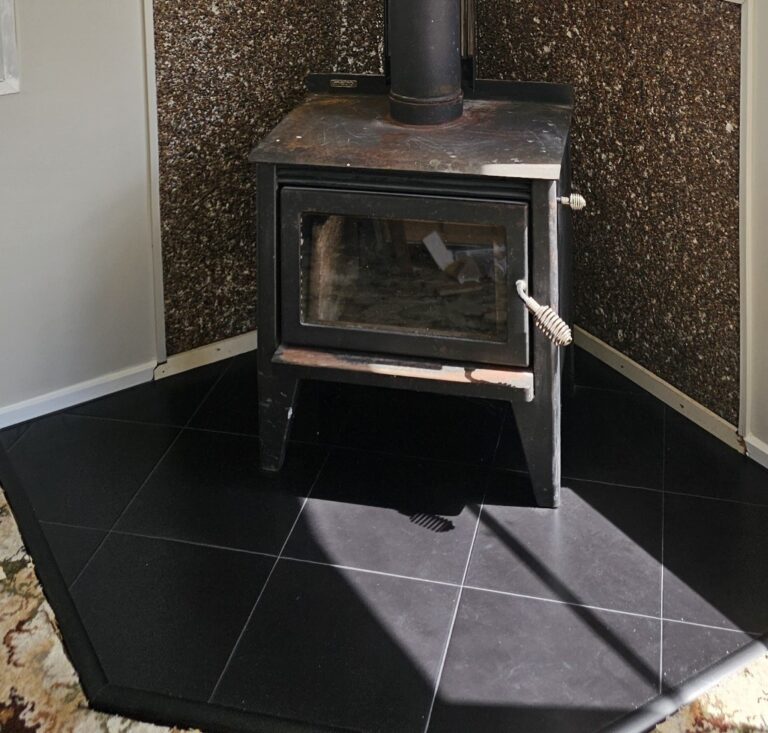
A lot of Whangārei homes have a wood burner that has been there longer than the current owners. It still lights, it still heats the lounge, but it does not burn the way it used to. The door does not close quite right, the glass blackens, and it seems to need more wood for less warmth.
★View the Best Chimney Repairs in Whangarei→Before pricing a brand new fire, it is worth asking whether the old one can be reconditioned. Sometimes it can, for a fraction of the disruption. Sometimes it cannot, and knowing why saves money either way.
What reconditioning actually means
Reconditioning is a thorough repair of an existing fire, rather than a swap for a new one. The fire is stripped back, inspected, and the parts that wear out are replaced so it works the way it was designed to again.
The work usually centres on a handful of components.
The parts that wear
- Firebricks. They line the firebox and take the direct heat. Over time they crack, crumble or fall out.
- The baffle. The plate above the fire that slows the hot gases so more heat stays in the room. Baffles warp and burn through.
- Door rope and seals. The fibreglass rope around the door flattens and hardens, and the fire can no longer be turned down properly.
- Glass. It can crack, and its own seal can fail.
- Grates, handles and air controls. Moving parts seize, wear or break.
What gets checked as well
A good technician also looks at the body of the fire itself and the flue it connects to. A fire with sound new parts is still only as good as the steel around it and the flue above it.
Signs your fire may be a good candidate
Reconditioning tends to make sense when the fire is basically sound and the problems are with the wearing parts. These are common signs:
- The fire burns too fast and cannot be slowed down, often a door seal problem
- Glass goes black quickly or there is smoke spill when the door is opened
- Firebricks are visibly cracked or missing
- The baffle has dropped, warped or looks burnt through
- The fire heats the room, just not as well as it once did
- You are happy with the size, position and look of the fire as it is
That last point matters more than it sounds. If the fire suits the room and the house, keeping it avoids changing the hearth, the flue position and the way the room is laid out.
When replacing makes more sense
Not every fire is worth saving, and a good technician will say so. Reconditioning is usually off the table when:
- The firebox body is cracked or badly warped, rather than just the parts inside it
- Parts for that model are no longer made and cannot be sourced
- The repairs needed would cost close to the price of a new fire
- The fire is the wrong size for the room, either too big to run well or too small to heat it
- The flue is in poor condition and needs replacing anyway, which changes the economics of the whole job
Reconditioning or replacing: how the two compare
What stays
- Reconditioning
- The fire, the flue position and the hearth, if they are sound
- Replacing
- Usually only the room; flue and hearth often change too
Paperwork
- Reconditioning
- Ask whether any part of the work affects the original consent
- Replacing
- A new or replacement fire goes through the council’s building consent process
Disruption
- Reconditioning
- Mostly work on the fire itself
- Replacing
- Removal, installation and an inspection
Best suited to
- Reconditioning
- A sound fire with worn parts
- Replacing
- A damaged, unsupported or wrongly sized fire
The paperwork row is the one people most often overlook. If you are unsure whether something you are planning needs a consent, Whangārei District Council can confirm it before any work starts.
Questions to ask before you go ahead
- What exactly needs replacing, and is the body of the fire sound?
- Are the parts for this model available, and how long will they take to arrive?
- Does the flue need any work, and is that included in the price?
- Roughly how does the cost compare with a new fire, including the flue and hearth?
- Will the fire need a sweep and inspection at the same visit?
- Does any part of the work need council approval?
Burning dry wood after the work is done will help the new parts last. The Northland Regional Council’s guidance on chimney smoke and wood burners lists dry, seasoned firewood, keeping the air controls open enough for a clean burn, and maintaining the burner and cleaning the flue as the ways to cut chimney smoke.
Where Kelly Sweeps Limited fits
Kelly Sweeps Limited is a Whangārei fireplace company with more than 30 combined years in the industry and NZHHA certification across the team. Fireplace reconditioning is one of their listed services: they can recondition fires, depending on the repairs required and whether the fire is viable, to extend the life of the appliance. They also carry out general fireplace repairs.
If a fire is not worth saving, the team is SFAIT qualified for installations and can take a new fire from start to finish, including the council consent application. You can see some of their work in the gallery on their website.
They travel to fireplaces from Auckland to Cape Reinga. To ask about reconditioning, use the enquiry form at kellysweeps.co.nz with your full address and any details or photos of the fire, or call 09 438 0470.